Fire and rescue services
Call 105.
Medical emergencies
Call 104.
Police
Call 106.

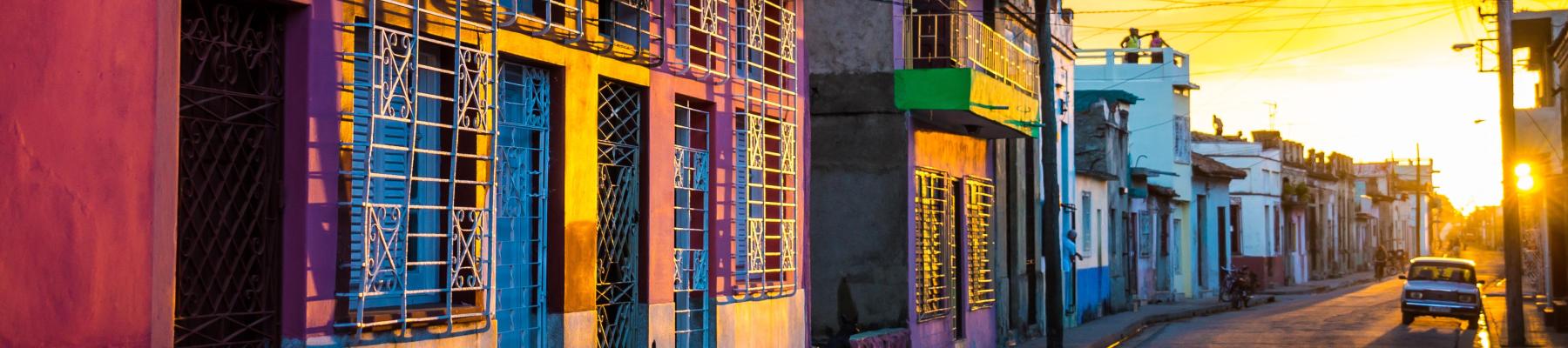
Reconsider your need to travel to Cuba due to serious fuel shortages impacting essential services and the threat of violent crime.
Full travel advice: Safety
Full travel advice: Health
Full travel advice: Local laws
Full travel advice: Travel
Full travel advice: Local contacts
Foreigners may experience violent crimes, such as assault, sexual assault and robbery.
Petty crime is common, particularly pickpocketing and bag-snatching. You're at risk.
Take extra care of your valuables in:
It also happens at major tourist areas such as:
There are frequent power outages which are impacting transport and other services. Power outages can last from minutes to several hours. The opportunity for theft increases during these outages.
Thefts from hotels and guesthouses occur. Keep the doors and windows at your accommodation locked.
To prevent petty crime:
Be cautious about snacks, beverages, gum and cigarettes as they may contain drugs, putting you at risk of sexual assault and robbery.
People have reported thefts from checked baggage at Cuban airports.
When travelling through airports, keep a close eye on your valuables, including during security screening. Keep your valuables on you or place them in your carry-on baggage on flights. Don't check in jewellery, cameras or electronic devices.
Criminals posing as tour agents or taxi drivers operate at the airport and in Havana.
Thieves may slash car tyres and help with repairs while an accomplice steals from the vehicle. Thieves who pose as hitchhikers are also common.
To protect yourself from road-based crime:
If you're a victim of crime or theft, get a written police report (Comprobante de Denuncia) from the Cuban police (Policia Nacional) before you leave Cuba. Be aware that you can't get a police report once you leave Cuba.
Scams and credit card fraud are a risk.
Instances of credit card and ATM fraud can occur. Take precautions when using debit or credit cards:
Scam artists target foreign visitors and residents. The scams come in many forms and can cause great financial loss. Warn your friends and family to be sceptical if they’re asked to transfer funds to you in Cuba. Tell them to contact you to check that you’ve made this request.
Some individuals specialise in deceiving tourists, often presenting as friendly English speakers. They may offer tour guide services or assistance purchasing items and resorting to violence to achieve their objectives. Only use reputable tour operators and registered taxis.
Kidnapping occurs across the world with political, ideological, and criminal motives. Foreigners, including Australians, have been kidnapped overseas whilst travelling. Kidnapping can happen anywhere, even in places that seem safe.
Express kidnappings can occur in urban areas, and they are often committed by organised gangs or taxi drivers. The kidnappers usually take their victims to an ATM and force them to withdraw cash.
If, despite our advice, you travel to an area with a high risk of kidnapping, our ability to provide assistance in these destinations is extremely limited.
You’re responsible for your own safety. You can find more information on how to reduce your risk of kidnapping here: Kidnapping
The Australian Government’s longstanding policy is that it doesn’t make payments or concessions to kidnappers. Ransom payments to kidnappers have funded further terrorist attacks and criminal activity. Ransom payments to terrorist groups are likely to contravene Australian counter-terrorism financing flows.
More information:
Some establishments, particularly taxis and classic car rentals, may attempt to impose excessive fees, potentially leading to disputes and violence.
If you're a victim of sexual assault, promptly contact the nearest Australian Embassy or Canadian Embassy in Havana and seek immediate medical attention. A criminal investigation may not be possible if a formal complaint is not made to Cuban authorities before departing the country, with local police providing a 'Comprobante de Denuncia' confirming the report filing.
Women travelling alone may encounter instances of sexual harassment and verbal abuse.
More information:
The telecommunications network in Cuba may be unreliable and intermittent.
Some international cell phones may not work, especially in rural areas. Internet access is limited across the island. Local authorities control telecommunications and may block access during civil unrest or before demonstrations.
Demonstrations and protests against the government can occur. Some can turn violent, causing injuries and deaths. They may occur anywhere across the country. Local authorities may break up demonstrations or gatherings not sanctioned by the government. They may also block access to the Internet, including social media, without notice.
It's illegal for foreigners to take part in political demonstrations in Cuba.
To protect yourself during periods of civil unrest:
If you see a protest, leave as soon as it’s safe.
More information:
Terrorism is a threat worldwide. Terrorist attacks could occur anywhere and at any time. Be alert to possible threats, especially in public places. Terrorists may target tourist areas or other places frequented by foreigners and where large crowds may gather.
Possible targets include:
To stay safe:
If there’s an attack, leave the area as soon as it's safe to do so.
More information:
Rescue services may not consistently meet international standards and unpredictable tidal changes can result in powerful currents and rips. Lifeguards and warning flags may not be present on all beaches to signal hazardous conditions. Avoid swimming alone or after hours.
Tour operators and diving centres may not adhere to international standards. Choose a reputable company with proper insurance coverage.
If planning a boating excursion, familiarise yourself with navigation rules and carry a VHF marine radio that can relay your position in case of an emergency.
Cuba experiences natural disasters and severe weather, including:
In the event of severe weather or a natural disaster:
Register with the Global Disaster Alert and Coordination System to receive alerts on major disasters.
If you're travelling to Cuba during hurricane season or after a natural disaster, monitor weather reports. Contact your tour operator or airline to check if the severe weather has affected your travel plans.
More information:
The hurricane and rainy season is from June to November.
Landslides, mudslides and flooding can happen.
If you’re travelling during the rainy season, contact your:
Tropical storms and hurricanes can happen in other months. Hurricanes can change direction and strength suddenly.
If there's a hurricane or severe storm:
Severe weather may also affect:
To protect yourself if a hurricane is approaching:
Check the US National Hurricane and Tropical Prediction Center for weather forecasts.
Cuba experiences earthquakes.
Aftershocks are common and can damage already weakened structures.
Earthquakes can disrupt power and communication systems.
Get to know the earthquake safety measures for each place you stay and visit.
Tsunamis may occur.
Receive tsunami alerts by registering with the following:
If you're near the coast, move immediately to high ground if advised by local authorities or if you:
Don't wait for official warnings, such as alarms or sirens. Once on high ground, check local media.
More information:
Many medications are in short supply or unavailable. Ensure you bring enough for your entire trip.
Outbreaks of dengue and chikungunya are common. Risks are higher during the wet season, from April to November.
Zika and oropouche are a risk. If you're pregnant, the Australian Department of Health recommends you discuss travel plans with your doctor. Consider deferring non-essential travel to affected areas.
To protect yourself from disease:
Get medical help if you have a fever, muscle pain, rash or severe headache.
If you're pregnant, the Australian Department of Health and Aged Care recommends that you:
Waterborne, foodborne and other infectious diseases are common. These include:
Serious outbreaks sometimes occur.
Outbreaks of cholera are seasonal and common.
Many illnesses can be caused by eating food or drinking beverages contaminated by bacteria, parasites, toxins, or viruses, or by swimming or bathing in contaminated water.
To protect yourself from illness:
If you're bitten or scratched by an animal, get medical help straight away.
Get medical advice if you have a fever or diarrhoea.
More information:
Public medical facilities in Havana are basic.
Standards are limited in smaller towns and rural areas.
Private medical facilities are well-equipped. However, the only private hospital for travellers in Havana is the Cira Garcia Hospital.
State-run Servimed clinics can provide emergency medical care in major tourist areas.
Treatment at private clinics and hospitals is very expensive. You'll likely need to pay up front and claim back later from your insurer.
Doctors may only speak Spanish.
If you are seriously ill or injured, you may need to be evacuated to a place with appropriate facilities. Medical evacuation can be expensive. Make sure you get travel insurance that includes coverage for medical evacuation and hospital stays.
Penalties for drug offences are severe. They include lengthy prison sentences in local jails.
Authorities will arrest you for illegal drugs if you're either:
More information:
Same-sex relationships are legal.
Same-sex marriages are recognised.
More information:
You must always carry photo ID. Authorities can detain you if you're found without it.
Contact the Embassy of Canada in Havana if you lose your Australian passport or other identification documents.
Serious crimes, such as espionage and mass murder, can attract the death penalty.
Under Cuban law, charges aren't laid until the investigation is complete.
If you're accused, you can be jailed during the investigation.
In Cuba, it's illegal to:
Get local legal advice before preaching religion or importing religious material. Doing so may be illegal.
Cuba doesn't recognise dual nationality.
If you're a dual national, this limits the consular services we can give if you're arrested or detained.
More information:
You need a visa to enter Cuba.
If your visit is for tourism, you can get a 'tourist card' through:
The tourist card includes a tourist visa.
In other situations, you need to apply for a visa.
You're required to fill in an online declaration form.
Entry and exit conditions change can at short notice. Contact an embassy or consulate of Cuba for details about visas, currency, customs and quarantine rules.
If you're travelling via Canada, ensure you meet all entry and transit requirements.
More information:
If you're travelling through the US, ensure you meet all current US entry or transit requirements, even if you are transiting through Hawaii.
More information:
If you've travelled to Cuba since January 2021, you're not eligible to participate in the US Visa Waiver Program (VWP). You can’t enter or transit the US on an ESTA, including for medical evacuations. You’ll need to apply for a visa from the nearest US Embassy. Contact the nearest US Embassy or Consulate for details.
You must show proof of comprehensive travel insurance to enter.
You need to purchase extra insurance from Asistur, the Cuban insurance provider if you:
To contact Asistur, call +53 7866 4499.
The list of duty-free items that you can take into Cuba is limited. If customs authorities consider any item isn't for personal use, they can seize it. Equipment that draws heavily on electricity or uses satellite technology can also be confiscated.
Contact the nearest embassy or consulate of Cuba for details about official requirements for minors travelling without their parents.
A departure tax is included in the cost of your airline ticket.
Cuba's official currency is:
Canadian dollars, Mexican pesos and Euros can be exchanged at currency exchange stores. There's a large commission fee to exchange US currency. Australian currency can't be exchanged in Cuba. Other currencies may be difficult to exchange.
From 6 June, Visa and Mastercard credit and debit cards will no longer be accepted in Cuba.
The following payment methods will remain available:
Bring sufficient cash for the duration of your trip.
International money transfer agencies aren't available to Australians in Cuba.
Fuel shortages and frequent power outages are affecting transport and other services. Nation-wide power blackouts are occurring. The situation could deteriorate quickly without warning, and options for leaving the country may reduce further.
To drive in Cuba, you'll need both:
You must get your IDP before leaving Australia.
To hire a motor vehicle, you must be at least 21 years old.
Cuba is facing a chronic shortage of fuel, which is impacting transport and other government services throughout the country. You can expect disruptions.
Driving in Cuba is dangerous, particularly at night.
Hazards include:
If you're involved in an accident, you're likely to be detained, regardless of who's at fault.
You may not be allowed to leave Cuba until the case is resolved.
If you drive in Cuba:
Cuba has strict alcohol laws. It's illegal to drive with any alcohol in your bloodstream.
More information:
Check with your travel insurer whether your policy covers you when riding a motorbike, quad bike or similar vehicle.
Always wear a helmet.
Criminals posing as drivers operate at the airport and in Havana.
Mopeds and 3-wheeled 'Coco-taxis' are particularly dangerous.
To protect yourself from crime:
Avoid public transport. Many vehicles are poorly maintained.
Cuban authorities have announced that all of its international airports are without aviation fuel. Some airlines have reduced or cancelled flights, or may experience disruptions. The situation could deteriorate quickly without warning and options for leaving the country may reduce further. If you are currently in Cuba, carefully consider if your presence is essential. Check for messaging from your airline or tour operator for the latest information and be ready to change plans quickly.
Check Cuba's air safety profile with the Aviation Safety Network.
More information:
Depending on what you need, contact your:
Call 105.
Call 104.
Call 106.
Always get a police report when you report a crime.
Your insurer should have a 24-hour emergency number.
There are limits to what consular assistance we can provide in high-risk locations. Read the Consular Services Charter to understand how we can assist you overseas.
Australia doesn't have an embassy in Cuba. The Embassy of Canada in Havana provides consular assistance to Australians in Cuba. They can also issue Australian provisional travel documents.
You can also get consular assistance from the Australian Embassy in Mexico.
Calle 30 No.518 (esq. 7ma)
Miramar (Playa)
Ciudad de la Habana, 11300, Cuba
Telephone: +53 7 204 2516/7
Email: havan@international.gc.ca
Website: canadainternational.gc.ca/cuba
Ruben Dario 55, Polanco
Colonia Bosques de Chapultepec, CP
11580 CDMX Mexico
Telephone: +52 55 1101 2200
Email: consularpassports.mexico@dfat.gov.au
Website: mexico.embassy.gov.au
Facebook: @AusEmbMex
X: @AusEmbMex
Instagram: Australian Embassy, Mexico City
Check the Embassy website for details about opening hours and any temporary closures.
In a consular emergency, if you can't contact an embassy, call the 24-hour Consular Emergency Centre on:
Be the first to know official government advice when travelling.