
The Consular Services Charter outlines the consular services and assistance provided by the Australian Government to travellers overseas. Read the Charter to understand how we can and can't help.




Everything you need to know before you go
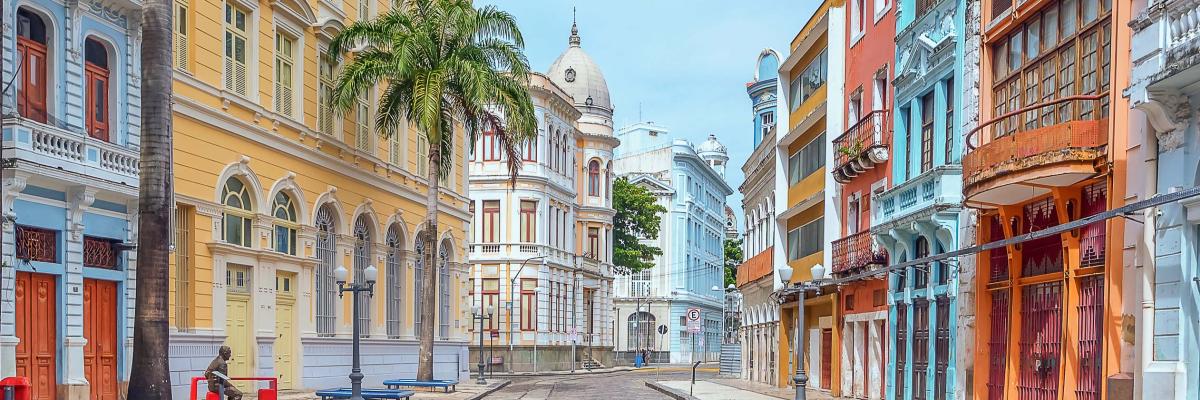
The second round of Brazil’s general election took place on 25 October. The presidential inauguration ceremony will be held in Brasília on 5 January 2027. There may still be political gatherings, demonstrations and increased security measures before, during and after the inauguration ceremony.
The Consular Services Charter outlines the consular services and assistance provided by the Australian Government to travellers overseas. Read the Charter to understand how we can and can't help.
Do you need a document legalised, or a Certificate of No Impediment for your upcoming marriage? The Australian Government can provide some notarial services.
If you're going overseas, travel insurance is as important as a passport. If you can't afford travel insurance, you can't afford to travel. Read our advice, and download the CHOICE travel insurance guide before you go.
If your child is heading overseas to celebrate the end of school, we have advice to ensure their trip is memorable for the right reasons.
The ongoing El Niño climate event is causing severe weather in multiple countries across the Americas, Asia, and the Pacific. Be aware of how this may affect your plans if you are travelling in the coming months.
The Australian Government is helping school leavers travel overseas safely with TravelSmarts, a new interactive learning tool.
The situation in the Middle East is still unpredictable. Tensions remain elevated.


We continue to advise do not travel to Saudi Arabia due to the volatile security situation. You should postpone any planned travel to Saudi Arabia, including travel for religious purposes.
If you are in Saudi Arabia and choose to…
Learn what our advice levels mean and how we decide what level to apply to each destination.
With passport demand on the rise, don't leave your application to the last minute.
Allow a minimum of six weeks to get a new passport or renew one.

Sign up to receive travel advice updates for your destination direct to your email, or manage your current subscription preferences.