Fire and rescue services
Call 112.
Medical emergencies
Call 112.
Police
Call 112, or contact the nearest police station.

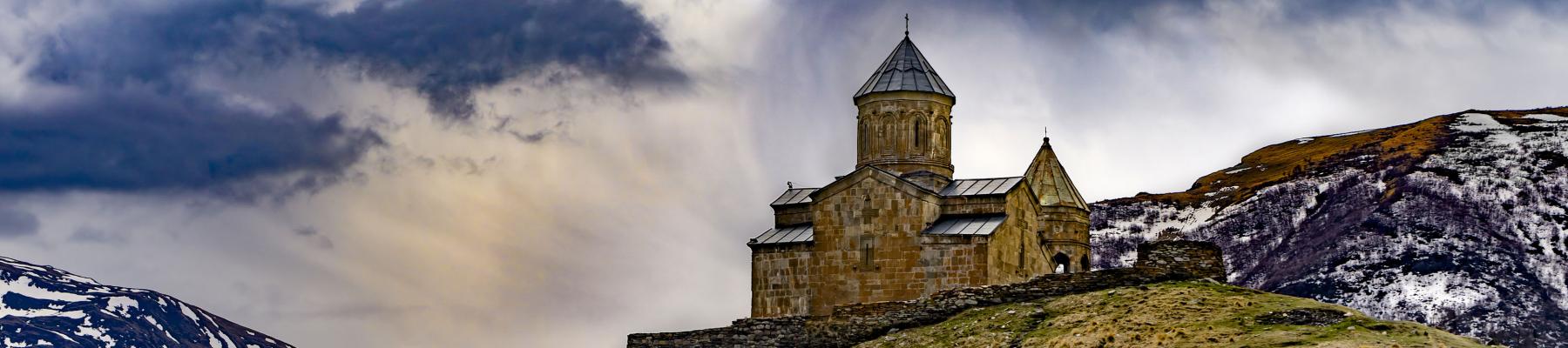
Do not travel to South Ossetia and Abkhazia.
Do not travel to South Ossetia and Abkhazia due to the risk of landmines, violence and fighting.
See Safety
Full travel advice: Safety
Full travel advice: Health
Full travel advice: Local laws
Full travel advice: Travel
Full travel advice: Local contacts
Public protests and events that draw large groups of people can turn violent.
Political rallies are common including Tbilisi.
To stay safe during periods of unrest:
More information:
South Ossetia and Abkhazia, and the surrounding areas are unsafe. Unexploded landmines exist in these areas. Specifically some roads in the Abkhazia region.
Violence and fighting between the military, militia and criminals, including terrorists is common.
Car bombings have occurred in Abkhazia and South Ossetia since the 2008 conflict between Georgia and Russia. Our ability to provide consular assistance to Australians in these regions is extremely limited.
Georgia has a risk of violent crime, including:
To protect yourself from crime:
Financial, import and export scams have increased in recent years.
To protect yourself around people you don't know:
Terrorism is a threat worldwide. Terrorist attacks could occur anywhere and at any time. Be alert to possible threats, especially in public places.
Attacks target military and security sites, but civilians have been hurt.
If there’s a terrorist incident, leave the area if it’s safe to do so and follow the instructions of local authorities.
More information:
It's difficult to get accurate updates on mountain conditions.
Emergency responses may be limited if you get into trouble while mountaineering or hiking.
Contact Georgian companies with specialist guides if you're thinking about trekking or mountaineering.
Transport and tour operators' safety and maintenance standards may not be as high as to Australian standards. This includes skiing, mountaineering and hiking.
If you plan to do an adventure activity:
If proper safety equipment isn't available, use another provider.
Natural disasters and extreme weather, including earthquakes and floods. Check media for updates and follow the instructions of authorities.
If there is a natural disaster or severe weather:
Register with the Global Disaster Alert and Coordination System to receive alerts on major disasters.
Make sure you have valid health and travel insurance for the duration of your stay in Georgia. The insurance policy must be available in Georgian or English.
If you travel to South Ossetia and Abkhazia despite our advice, you'll need a special insurance policy that covers travel to high-risk destinations. Most Australian policies won't cover you for travel to these areas.
Georgia has a strict anti-drug policy. If you need to travel with medication keep the medication in the original packaging and declare all medication to customs officials on arrival.
More information:
Waterborne, foodborne, and other infectious diseases occur. These include:
Sometimes serious outbreaks occur.
To protect yourself from illness:
Get medical attention straight away if an animal scratches or bites you
Get medical advice if you think you have food poisoning or have a fever or diarrhoea.
Ask your doctor about health risks and vaccines before you go.
More information:
There’s no agreement between Australia and Georgia for free healthcare. Tourists must pay for all medical care, even if they need to stay in hospital or be evacuated. This can be very expensive. Make sure your travel insurance covers you. The Australian Government won't pay for these costs.
International standard medical services and facilities are generally available in major cities, such as Tbilisi and Batumi. Outside of major cities, medical facilities are more limited and may be lower quality.
If you become ill or injured, you may need to be evacuated.
Surrogacy services for married heterosexual couples are permitted. Laws and regulations related to surrogacy may change at short notice.
Before you commit to a surrogacy arrangement, seek independent legal advice from a Georgian solicitor with knowledge of this area of law. See our advice on going overseas for international surrogacy.
Babies born through illegal arrangements may be prevented from leaving Georgia. Be aware that you may not be able to get your money back if you enter into a contract for surrogacy services.
To bring children born through surrogacy to Australia, you must apply for an Australian passport. Check the website of the Australian Embassy in Türkiye for details on how to apply.
If you plan to travel to Georgia for surrogacy, make sure you are well prepared before leaving Australia.
If you're travelling for commercial surrogacy, contact passports.complexcases@dfat.gov.au before departure.
It's your choice to travel to Georgia for surrogacy, and you're responsible for your safety, the safety of your child, and any legal or medical risks. Australia doesn't have an embassy or consulate in Georgia, and the consular services we can provide are limited.
More information:
When you travel to another country, you must follow their laws. Even if they seem strict compared to Australia's. Before you go, learn about the local laws in that country.
The Australian Government is limited in how and when we can help if you're arrested overseas. We can't get you out of trouble or out of jail. Understand our limits. Read the Consular Services Charter.
Penalties for drug offences are severe. They can include heavy fines and long prison sentences.
More information:
Always carry your passport with you. Also carry your visa (if you have been issued one) which is required if you are staying more than 12 months. If authorities or service providers such as hotels or banks ask for identification, you are expected to show your passport.
It's illegal to take photos:
You need a licence from the Ministry of Culture and Sport's Department of Expertise and Evaluation to export items of national heritage.
Some Australian laws still apply even if you’re in another country. You could be charged in Australia if you break these laws overseas.
More information:
Georgia recognise dual nationality. However, Australians with Georgian dual nationality may be treated as Georgian citizens in legal matters.
If you're a dual national, this may limit the consular services we can provide if you're arrested or detained.
Georgia has compulsory military service.
Dual nationals that are eligible for compulsory military service should get advice from an embassy or consulate of Georgia before travelling.
More information:
Same-sex relationships are legal in Georgia but aren't widely accepted.
Consider avoiding public displays of affection.
More information:
You can visit Georgia for up to 12 months without a visa if you have an Australian passport. You'll need a visa for longer stays.
Entry and exit requirements can change at short notice. Contact the Georgian Foreign Ministry or an embassy or consulate of Georgia for details about visas, currency, customs and quarantine rules.
More information:
Children under 18 years travelling alone or with one parent may need a letter of consent from the non-travelling parent or parents.
They'll also need a copy of their birth certificate and passport.
Check requirements with an embassy or consulate of Georgia before travelling.
Consider updating your child’s passport photo if it no longer matches their current appearance, as Georgian authorities may question, delay, or deny entry.
We advise against all travel to the North Caucasus region of Russia due to the high threat of terrorist activity. See our travel advice for Russia.
It's illegal to enter Georgia via Abkhazia or South Ossetia.
If you are travelling with children, consider updating your child’s passport photo if it no longer matches their current appearance, as Georgian authorities may question, delay, or deny entry.
The local currency is the Lari (GEL).
When entering or leaving, you must declare any foreign currency worth GEL30,000 or more.
By law, all goods and services must be paid for in GEL.
Credit cards are widely used in Tbilisi, but less so in regional areas.
ATMs are available in major towns.
Traveller's cheques aren't widely accepted.
Do not travel to South Ossetia or Abkhazia and nearby areas. There's a risk of terrorist and criminal activity.
Unexploded ordnance and landmines are in these areas.
Our ability to provide consular assistance in these regions is extremely limited.
You need an Australian driver's licence to drive in Georgia (digital driver's licences may not be accepted).
Some care hire providers and car insurers may require an International Driving Permit (IDP) for insurance. Check requirements with your insurance and car hire providers before driving in Georgia.
Civil liability insurance purchased from a Georgian provider is compulsory for vehicles registered outside Georgia.
You can buy insurance from centres at most border crossings or through providers online.
More information:
Driving in Georgia can be dangerous.
Mountain roads can be dangerous. Take extra care in winter.
Driving with a blood alcohol reading above 0% is illegal.
If you plan to drive in Georgia, check if your travel insurance will cover driving.
More information:
Use licensed taxis or reputable rideshare services such as Uber and Bolt where available. If hailing a taxi on the street, ensure it is clearly marked and licensed Insist on using the meter, don't share the taxi with strangers and sit in the back seat rather than the front.
Public transport can be unsafe due to poor road conditions.
Theft and assault happen on trains and around the Tbilisi station.
Check Georgia's air safety profile with the Aviation Safety Network.
More information:
Depending on what you need, contact your:
Call 112.
Call 112.
Call 112, or contact the nearest police station.
English-speaking operators are usually available.
Always get a police report when reporting a crime.
Your travel insurer should have a 24-hour emergency number.
The Australian Government aims to provide high quality consular assistance. There are limits to what we can do. Read the Consular Services Charter to understand how we can assist you overseas.
Australia doesn't have an embassy or consulate in Georgia. For consular assistance, contact the Australian Embassy in Turkiye.
MNG Building, 7th floor
88 Uğur Mumcu Caddesi
Gaziosmanpaşa
Ankara, Turkey
Phone: +90 312 459 9500
Website: turkey.embassy.gov.au
X: @AusAmbTürkiye
Facebook: AustraliaInTurkiye
In a consular emergency, if you can't contact an embassy, call the 24-hour Consular Emergency Centre on:
Be the first to know official government advice when travelling.