Fire and rescue services
Call 911.
Medical emergencies
Call 911 or go to the hospital.
Police
Call 911 or go to the nearest police station.

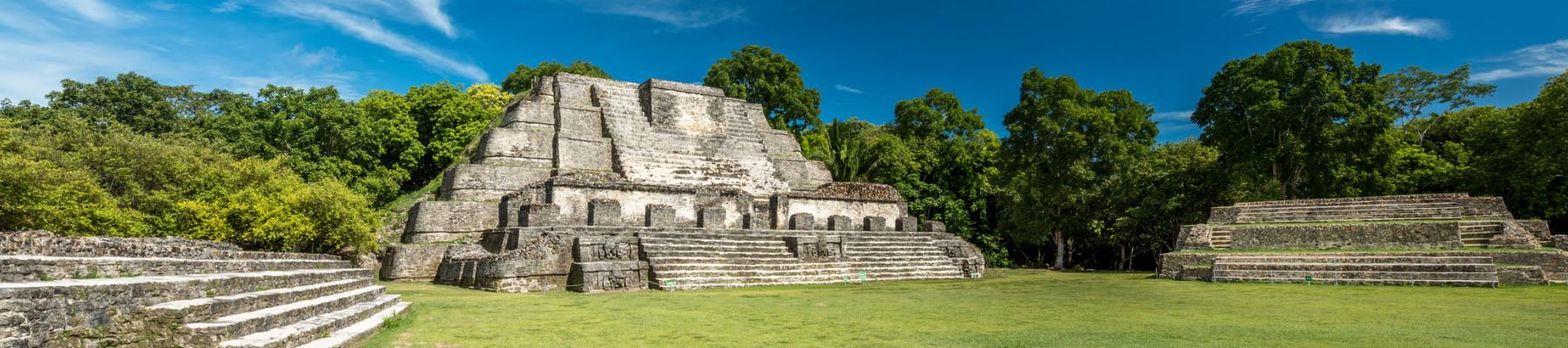
Exercise a high degree of caution in Belize due to the threat of violent crime.
Reconsider your need to travel to the Southside of Belize City (south of Haulover Creek Canal) due to high levels of gang-related violence.
Full travel advice: Safety
Full travel advice: Health
Full travel advice: Local laws
Full travel advice: Travel
Full travel advice: Local contacts
Violent crime that may affect foreigners in Belize includes assault, rape and armed robbery.
Violent crime sometimes happens in tourist hotspots, including:
Gang violence is a major problem in Belize, especially in the Southside of Belize City (south of Haulover Creek Canal). Gang members often use weapons to resolve disputes. Clashes occur frequently between gangs to gain control over territories for illegal activities. You should avoid these areas.
Police capacity to respond to violent incidents is limited, and many crimes remain unsolved.
Muggings are common, especially in Belize City and other urban centres.
Armed robberies can happen around the Mayan ruins at Caracol and near the border with Guatemala.
Your risk of harassment and violent sexual assault increases when you travel alone. Security risks increase after dark.
To protect yourself from violent crime:
To reduce your risk of crime when taking a taxi:
If you're a victim of violent crime, especially rape, get immediate medical attention. Belize has a high HIV/AIDS infection rate.
Petty crime is common, particularly pickpocketing and bag-snatching.
Take extra care of your valuables in:
To prevent petty crime:
Kidnapping can happen anywhere, even in places that seem safe.
The Australian Government's longstanding policy is that it doesn't make payments or concessions to kidnappers.
More information:
Public protests and events that draw large groups of people can turn violent.
More information:
Terrorism is a threat worldwide. Terrorist attacks could occur anywhere and at any time. Be alert to possible threats, especially in public places. Terrorists may target tourist areas or other places frequented by foreigners and where large crowds may gather.
More information:
Water sports are popular in Belize. Ensure you have the correct safety equipment. Check it's in good condition. Research your tour operator. Always wear a lifejacket, even if you're a strong swimmer. Read our guidance about going overseas for sports and adventure.
Transport and tour operators don’t always follow safety and maintenance standards.
There has been several injuries and fatalities from these activities, including snorkelling and scuba diving.
If you plan to do a tour or adventure activity:
If proper safety equipment isn't available, use another provider.
Belize experiences natural disasters and severe weather, such as:
Medical facilities can't handle major emergencies. Be prepared to evacuate at short notice. Keep your travel documents up to date.
To protect yourself in case of a natural disaster:
Make sure your travel insurance covers trip cancellation or interruption.
More information:
The region is being impacted by longer hurricane seasons and increased flooding.
The Caribbean hurricane season is June to November. Although tropical storms and hurricanes can happen in other months. The direction and strength of hurricanes can change suddenly.
Landslides, mudslides and flooding can also occur.
The low-lying coastal islands of Belize are vulnerable. They may be cut off from communications and outside help during hurricanes.
If you’re travelling to Belize during hurricane season, check if severe weather has affected tourist services.
If there's a hurricane or severe storm:
Severe weather may also affect:
To protect yourself if a hurricane is approaching:
More information:
Belize is adjacent to an active earthquake zone.
A tsunami can arrive within minutes of a tremor or earthquake. Be alert to warnings.
To receive tsunami alerts, register with the Global Disaster Alert and Co-ordination System.
If you're near the coast, move immediately to high ground if advised by local authorities, or if you:
Don't wait for official warnings such as alarms or sirens. Once on high ground, monitor local media.
Cases of Zika virus occur in Belize. The Pan American Health Organization reports an increase in dengue cases in the Region of the Americas, including Belize, in 2023 and early 2024.
If you're pregnant, the Australian Department of Health recommends that you:
The risk of contracting insect-borne illnesses increases in the wet season from April to November.
Other insect-borne illnesses include:
To protect yourself from disease:
Get medical advice if you have a fever, muscle pain, rash or severe headache.
The rate of HIV/AIDS infection is high.
Take appropriate precautions if you engage in activities that expose you to the risk of infection.
Waterborne, foodborne and other infectious diseases are common. These include:
Serious outbreaks sometimes occur.
To protect yourself from illness:
Get medical advice if you have a fever or diarrhoea.
More information:
Medical facilities in Belize City are basic. Medical facilities are very limited or non-existent in rural areas.
You may need to pay cash before doctors and hospitals will treat you, even in an emergency.
If you become seriously ill or injured, you may need to be evacuated to the US. Medical evacuation can be very expensive.
Belize has 2 decompression chambers in San Pedro.
Penalties for drug offences are severe and include long prison sentences in local jails. In 2017, Belize decriminalised the use of marijuana on private property for adults in possession of up to 10g. However, it remains a federal offence to sell, grow or smoke it on public property. It’s best not to buy or sell marijuana in Belize.
More information:
Serious crimes, such as treason and murder, can attract the death penalty.
It's illegal to carry pre-Columbian artefacts without a permit.
Check with local authorities before taking photos of official buildings.
There are strict penalties for possessing unlicensed firearms or unlicensed ammunition, including large fines and mandatory jail sentences for repeat offenders.
In Belize, LGBTQIA+ travellers have experienced harassment and verbal or physical abuse.
Same-sex relationships were decriminalised in 2016. LGBTQIA+ travellers should carefully consider the risks of travelling to Belize.
Consider avoiding public displays of affection.
More information:
Due to the outbreak of Ebola disease in parts of Africa, if you've been in the Democratic Republic of the Congo, Uganda or South Sudan before arrival in Belize, you may be subject to health screening and quarantine.
Following the hijacking of a small passenger aircraft on 17 April 2025, the Belize Department of Civil Aviation has announced enhanced security measures are being implemented at all local airports. You should arrive early at airports to allow enough time for security procedures.
Belize has an online immigration and customs declaration system. You will need to complete and submit an entry form before travelling to Belize. You can access the e-form via the Belize Tourism Board.
Australians don't need a visa for visits of less than 30 days.
If you stay more than 30 days in Belize, the local immigration office must re-stamp your passport and you will pay a fee.
Entry and exit conditions can change. Contact Belize Immigration or your nearest Embassy, Consulate or High Commission of Belize for the latest details about visas, currency, customs and quarantine rules.
More information:
If you're travelling through the US to Belize, you must also meet US entry or transit requirements.
More information:
The cost of your airline ticket usually includes a departure tax. If not included, you must pay a departure tax in cash (USD $55.50)
You may need extra documents if only one parent or guardian is travelling with a child. Contact your nearest Embassy, Consulate or High Commission of Belize to confirm this.
More information:
All travellers over the age of 1 arriving or transiting countries with a risk of yellow fever need a valid yellow fever vaccination certificate to enter Belize. Some airlines may want to see one when you leave.
Find out about returning to Australia after exposure to yellow fever.
More information:
The local currency is the Belize Dollar (BZD). US dollars are also accepted.
You can travel with up to $BZ10,000. You must declare higher amounts.
You can only use credit cards and traveller's cheques in large tourist facilities.
Before you travel, check with your bank whether your cards will work in Belize.
Belize has an ongoing border dispute with Guatemala. When crossing the border:
After heavy rains and flooding, you can become stranded in the jungle.
If you plan to visit the jungle, use a reputable tour operator and check local weather conditions.
To drive in Belize, you need an International Driving Permit (IDP). This permit is valid for 3 months.
You must get the IDP before arriving in Belize.
For longer stays, apply for a local driver's licence from the Belize Department of Transport.
Driving in Belize can be dangerous. You're more likely to be killed in a motor vehicle accident in Belize than in Australia.
Hazards include:
There are no emergency road services. Fuel stations aren't common and close on public holidays.
If you plan to drive in Belize, always keep your fuel tank full in remote areas.
Check you have adequate travel insurance cover before driving.
More information:
Avoid using motorcycles because maintenance standards are poor.
Your travel insurance policy may not cover you when riding motorbikes, quad bikes or other vehicles.
Always wear a helmet.
Licensed taxis in Belize have green licence plates. Only use licensed taxis and confirm fares in advance as they may not be metered. Arrange taxis or limousine services through your hotel to avoid unlicensed operators.
If using public transport, be aware that buses may be poorly maintained. Service may be unreliable in rural areas.
More information:
Water taxis operate between the islands (cayes), barrier reef attractions and the mainland.
They can be overloaded, poorly maintained or lack necessary life-saving equipment.
Rescue services may not be consistent with international standards.
To reduce your risk, ensure any vessels are carrying proper safety equipment and life jackets for all passengers.
More information:
Check Belize's air safety profile with the Aviation Safety Network.
More information:
Depending on what you need, you could contact your:
Call 911.
Call 911 or go to the hospital.
Call 911 or go to the nearest police station.
Always get a police report when you report a crime.
Your insurer should have a 24-hour emergency number.
The Australian Government aims to provide high quality consular assistance. There are limits to what we can do. Read the Consular Services Charter to understand how we can assist you overseas.
Australia doesn't have a High Commission or Consulate in Belize. For consular assistance, contact the Australian High Commission in Trinidad and Tobago.
18 Herbert St, St Clair
Port of Spain
Trinidad and Tobago
Phone: +1 868 235 7950
Website: trinidadandtobago.highcommission.gov.au
Email: ahc.portofspain@dfat.gov.au
Facebook: Australian High Commission, Trinidad and Tobago
Check the High Commission website for details about opening hours and any temporary closures.
In a consular emergency, if you can't contact an embassy, call the 24-hour Consular Emergency Centre on:
Be the first to know official government advice when travelling.