For all emergencies
Call 112.
Fire and rescue services
Call 193.
Medical emergencies
Call 194.
Police
Call 192.
Roadside assistance
Call 196.

Call 112.
Call 193.
Call 194.
Call 192.
Call 196.
Exercise normal safety precautions in North Macedonia.
Full travel advice: Safety
Full travel advice: Health
Full travel advice: Local laws
Full travel advice: Travel
Full travel advice: Local contacts
Public protests and events that draw large groups of people can turn violent.
Violent protests have occurred in Skopje and other major cities.
Inter-ethnic violence could happen anywhere.
Security in areas bordering Kosovo is volatile. Tensions exist between ethnic Macedonian and ethnic Albanian communities in the region.
To protect yourself during periods of unrest:
More information:
Terrorism is a threat worldwide. Terrorist attacks could occur anywhere and at any time. Be alert to possible threats, especially in public places.
Targets have included:
Security services have disrupted planned attacks.
To stay safe from terrorism:
If there’s a terrorist incident, leave the area if it’s safe to do so and follow the instructions of local authorities.
More information:
Petty crime, such as pickpocketing and bag snatching, happens in large cities and airports.
Credit card fraud is common.
To avoid being a victim of crime:
Kidnapping can happen anywhere, anytime, including in destinations that are typically at lower risk.
The Australian Government’s longstanding policy is that it doesn’t make payments or concessions to kidnappers.
More information:
North Macedonia experiences natural disasters, severe weather and is in an active earthquake zone.
Bush and forest fires may occur during summer, from June to September.
If you're travelling, avoid areas where fires are present. Monitor local media for the latest information and follow the advice of local authorities.
Some parts of the country experience very low temperatures from October to March. Snow and ice can be a hazard.
The ability of local authorities to clear roads after heavy snowfall varies across the country.
If there's a natural disaster or severe weather:
There's a risk of tick-borne encephalitis in forested areas and fields.
Ticks are common in country areas from spring to autumn.
To protect yourself from tick-borne disease:
During and after visiting forested areas:
If you see any ticks, monitor the tick site for signs of infection.
Waterborne, foodborne and other infectious diseases occur. These include:
Serious outbreaks sometimes occur.
To protect yourself from illness:
Get medical advice if you have a fever or diarrhoea.
Ask your doctor about health risks and vaccines before you go.
More information:
There’s no agreement between Australia and North Macedonia for free healthcare. Tourists must pay for all medical care, even if they need to stay in hospital or be evacuated. This can be very expensive. Make sure your travel insurance covers you. The Australian Government won't pay for these costs.
Medical facilities are limited.
You'll need to pay an up-front deposit for medical services.
If you become seriously ill or injured, you may need to be evacuated to a place with better facilities. Medical evacuation can be very expensive.
Face masks are recommended in hospitals and aged care facilities.
Penalties for drug offences include heavy fines and long prison sentences.
More information:
It's illegal to photograph military and police:
Some Australian laws still apply even if you’re in another country. You could be charged in Australia if you break these laws overseas.
More information:
North Macedonia recognises dual nationality.
If you have Macedonian heritage, you could be considered a national of North Macedonia.
By law, you may need to get a North Macedonia passport after you arrive.
Compulsory military service in North Macedonia was abolished in 2006.
If you're returning to North Macedonia after many years away, living conditions may be different to what you expect. Do your research before travelling.
More information:
Same-sex relationships are legal. There may be local sensitivities.
Avoid public displays of affection.
More information:
You can stay for up to 90 days in a 6-month period without a visa.
Entry and exit conditions can change at short notice. Contact the nearest embassy or consulate for details about visas, currency, customs and quarantine rules.
You can also get details from the Republic of North Macedonia Ministry of Foreign Affairs (Macedonian).
You'll need consent from one or both parents to enter or depart North Macedonia for:
Parents need to sign a written statement.
Get it stamped by:
You must show the statement to North Macedonia border authorities if asked.
The official currency is the Denar (MKD). You can't change it outside North Macedonia.
Declare foreign currency over 10,000 euros or equivalent on arrival. This covers all forms of currency, not only cash. If you don't, you could be detained and your money confiscated.
In North Macedonia major hotels and most shops accept credit cards, however some smaller shops and green markets only accept cash.
Most banks in towns and cities have ATMs that accept international bank cards.
Border crossings between North Macedonia and Kosovo may close at short notice.
Restricted zones exist around border crossing points with Kosovo. Check with local authorities or transport providers if you plan to cross there.
Mountain areas bordering Kosovo have landmines and unexploded remnants of war. Stick to roads and well-marked paths.
Seek local advice on how to minimise risks.
To drive, you'll need both:
Get your IDP before you leave Australia.
Driving without an IDP could void your insurance.
Driving in rural areas can be dangerous due to the following:
In winter, snow and ice can be a hazard for drivers.
The ability of local authorities to clear roads after heavy snowfall varies throughout the country.
Learn road rules before you drive. In North Macedonia, the law requires you to have headlights or parking lights on at all times
Check if your travel insurance policy covers car, motorbike or other vehicle hire.
If riding a motorcycle, always wear a helmet.
More information:
Use registered taxis and authorised limousines. Arrange these through your hotel.
Avoid hailing taxis in the street.
Sit in the back seat.
Bus and rail services operate throughout the country.
Take care of your belongings to avoid petty crime.
More information:
Check North Macedonia's air safety profile with the Aviation Safety Network.
More information:
There is a ban on unregistered access to forests and national parks from 1 July to 31 August. If you plan to visit forests or national parks during this period, you must obtain written confirmation in advance from the relevant National Forest/National Parks authority.
If you violate the ban you will face fines of 1,500 to 2,000 euros.
If you notice a fire or endangering nature, immediately report it to 112. Follow the instructions of local authorities and park officials.
Depending on what you need, contact your:
Call 112.
Call 193.
Call 194.
Call 192.
Call 196.
Always get a police report when you report a crime.
Your insurer should have a 24-hour emergency number.
The Australian Government aims to provide high quality consular assistance. There are limits to what we can do. Read the Consular Services Charter to understand how we can assist you overseas.
Australia has a consulate in Skopje, headed by an Honorary Consul. It provides limited consular assistance and can't issue passports.
Prashka 23
Skopje 1000
Phone: +389 2 3061 114
You can get full consular assistance from the Australian Embassy in Serbia.
Vladimira Popovica 38-40, 8th floor
11070 Belgrade, Serbia
Phone: +381 11 330 3400
Website: serbia.embassy.gov.au
Email: belgrade.embassy@dfat.gov.au
Facebook: Australia in Serbia
Check the Embassy website for details about opening hours and any temporary closures.
In a consular emergency, if you can't contact an embassy, call the 24-hour Consular Emergency Centre on:
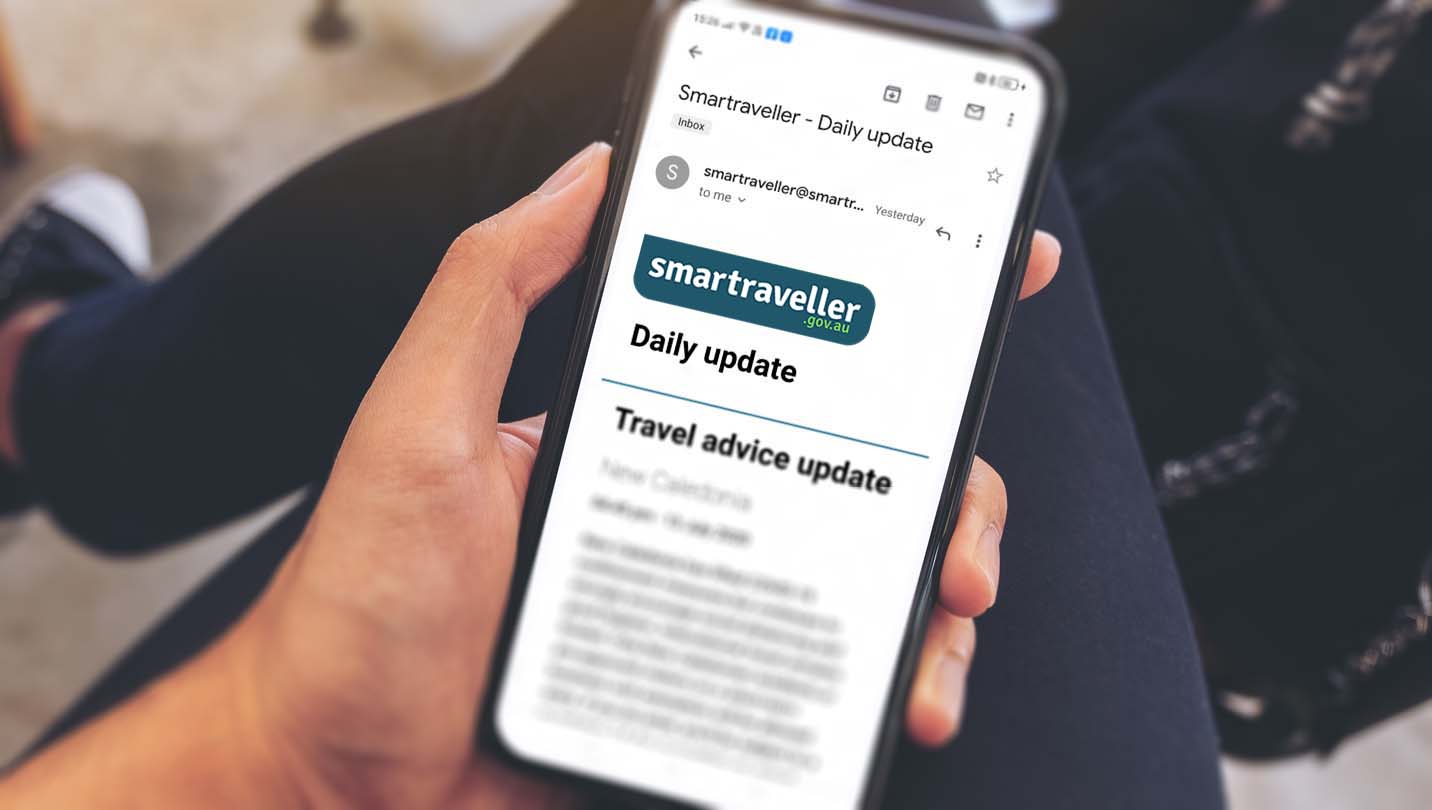
Be the first to know official government advice when travelling.