
Fire and rescue services
Call 112.
Medical emergencies
Call 112 or go to a hospital.
Police
Call 112 or go to the local police station.
Full travel advice: Safety
Full travel advice: Health
Full travel advice: Local laws
Full travel advice: Travel
Full travel advice: Local contacts
Terrorism is a threat worldwide. Terrorist attacks could occur anywhere and at any time. Be alert to possible threats, especially in public places.
Possible targets include:
To stay safe:
If there’s a terrorist incident, leave the area if it’s safe to do so and follow the instructions of local authorities.
More information:
You might encounter protests or demonstrations.
Public protests and events that draw large groups of people can turn violent.
During periods of unrest:
More information:
Serious crime isn't common.
Pickpocketing and bag-snatching occurs.
Credit card theft and skimming also happens.
To protect yourself from crime:
Winters are extremely cold. There's heavy snowfall, including in metropolitan areas.
This may delay transport and temporarily shut down infrastructure.
Finland experiences severe weather, such as severe storms, rockslides, floods and strong winds.
If there's a natural disaster:
More information:
Prescribed narcotics are restricted. For specific information on bringing medication into Finland , check with the Finnish Customs Authority.
Tick-borne encephalitis is a risk if you travel in forest areas or to the Aland Islands.
Ticks are common in rural areas and are active from March to November.
To protect yourself from illness:
After visiting forested areas:
Ask your doctor about health risks and vaccines before you go.
More information
The standard of medical facilities is similar to Australia.
Emergency services are limited in remote areas.
Major hospitals are located in the Helsinki, Tampere and Turku areas.
English is widely spoken.
A reciprocal health care agreement (RHCA) allows Australians who visit for fewer than 90 days to access some emergency medical services. You’ll still need to pay a client fee for all public health care treatment.
It doesn't provide the same amount of coverage as Medicare in Australia. It doesn't cover:
To get emergency treatment, you must present an Australian passport and a valid Medicare card. You may also need to mention the RHCA.
If you can't show your passport and Medicare card, you may need to pay the same costs that apply to non-residents.
This arrangement doesn't replace the need for private travel insurance with medical coverage.
More information:
When you travel to another country, you must follow their laws. Even if they seem strict compared to Australia's. Before you go, learn about the local laws in that country.
The Australian Government is limited in how and when we can help if you're arrested overseas. We can't get you out of trouble or out of jail. Understand our limits. Read the Consular Services Charter.
Penalties for drug offences, even for possession of small amounts, include heavy fines and jail.
More information:
Some Australian laws still apply even if you’re in another country. You could be charged in Australia if you break these laws overseas.
More information:
Finland recognises dual nationality.
Dual nationals who are registered residents of Finland may need to do national service.
Check with the Finnish Defence Forces.
More information:
Finland is part of the Schengen area. In some situations, this lets you enter Finland without a visa.
For more information about visa requirements, refer to the Finnish Immigration Service.
Entry and exit conditions can change at short notice. Contact the nearest embassy or consulate of Finland for details about visas, currency, customs and quarantine rules.
If you're arriving from non-EU and non-Schengen countries, you must have regular travel documents:
When you first enter the Schengen area, get an entry stamp in your passport from border control.
Always carry your passport.
If you have one, always carry your Finnish residency permit. You may be asked to verify your identity.
Always carry a valid passport even if travelling from another Schengen country.
The currency of Finland is the euro.
Declare amounts over 10,000 euros or equivalent currency if you're travelling between Finland and any non-European Union (EU) country. This covers all forms of currency, not only cash.
You don't need to declare cash if travelling to or from another EU country.
Finland has closed land border crossings with Russia indefinitely.
Maritime crossing points in the Eastern Gulf of Finland are closed. The border crossing points for maritime traffic at Haapasaari, the port of Nuijamaa and Santio are closed to leisure boating.
The train service between St Petersburg and Helsinki is suspended. Public transport services between Finland and Russia have been suspended.
More information:
Roads are in good condition. They can be dangerous in winter when it gets icy.
Check the Finnish Transport Infrastructure Agency for updates on road conditions.
Headlights must always be on, even during daylight hours.
Winter tyres must be fitted:
More information:
Public transport, including buses and trains, is reliable and safe.
More information:
Use officially marked taxis.
Check Finland's air safety profile with the Aviation Safety Network.
More information:
Depending on what you need, contact your:
Call 112.
Call 112 or go to a hospital.
Call 112 or go to the local police station.
Always get a police report when you report a crime.
Your insurer should have a 24-hour emergency number.
The Australian Government aims to provide high quality consular assistance. There are limits to what we can do. Read the Consular Services Charter to understand how we can assist you overseas.
Australia has a consulate in Finland, headed by an Honorary Consul.
It provides limited consular assistance. The consulate can't provide visa or immigration services or issue passports.
You can get full consular assistance from the Australian Embassy in Stockholm, Sweden.
Museokatu 25 B 23
00100 Helsinki
Finland
Phone: +358 10 420 4492
Email: australian.consulate@tradimex.fi
Klarabergsviadukten 63, 8th Floor
111 64 Stockholm, Sweden
Phone: +46 8 613 2900
Email: reception.stockholm@dfat.gov.au
Web: sweden.embassy.gov.au
Facebook: Sweden Embassy Facebook
X: AusAmbSe
Check the Embassy website or Facebook page for details about opening hours and any temporary closures.
In a consular emergency, if you can't contact an embassy, call the 24-hour Consular Emergency Centre on:
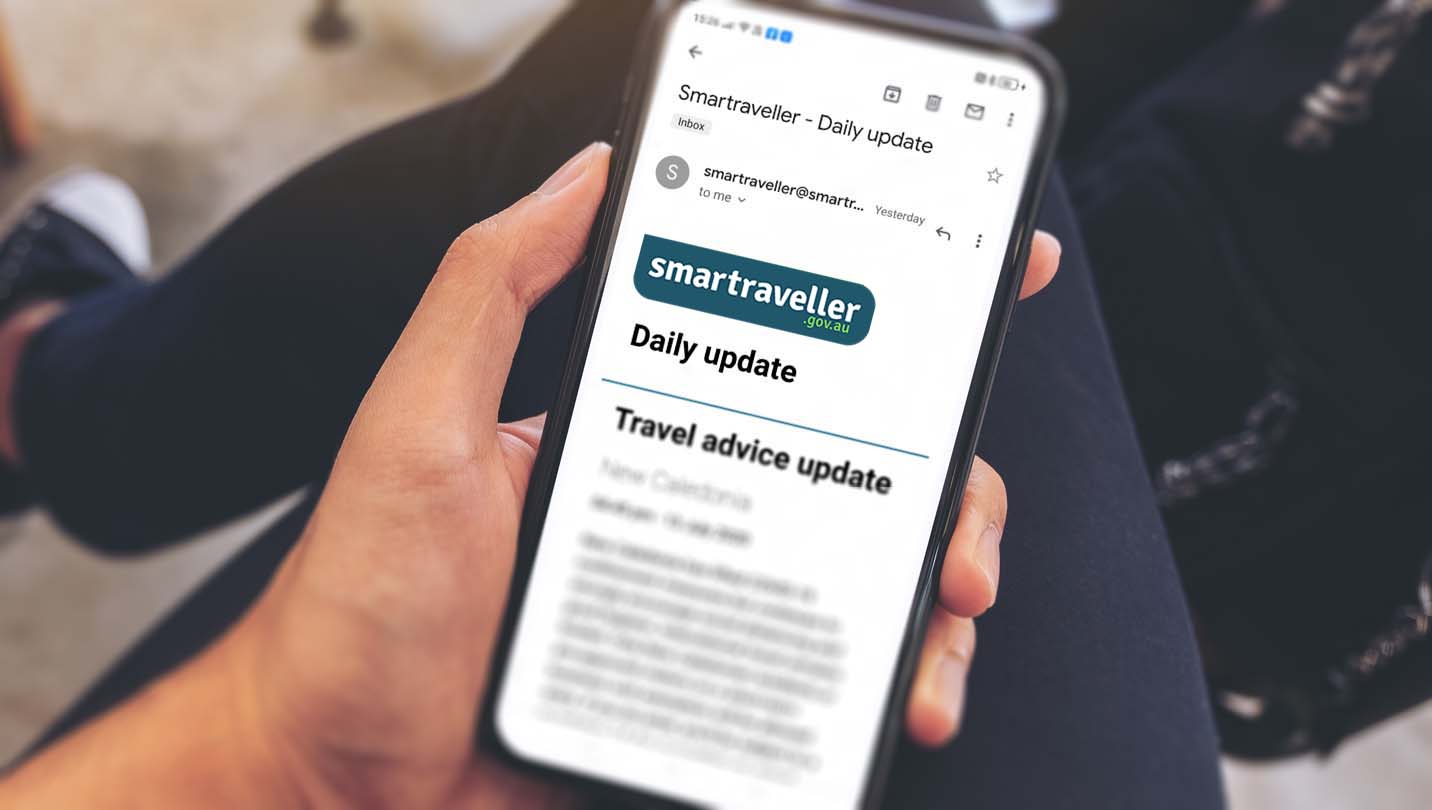
Be the first to know official government advice when travelling.