Fire and rescue services
Call 112.
Medical emergencies
Call 112.
Police
Call 101.

Call 112.
Call 112.
Call 101.
Full travel advice: Safety
Full travel advice: Health
Full travel advice: Local laws
Full travel advice: Travel
Full travel advice: Local contacts
Terrorism is a threat worldwide. Terrorist attacks could occur anywhere and at any time. Be alert to possible threats, especially in public places.
Following a terrorist attack in 2023, the Belgian Coordination Unit for Threat Analysis set the threat level for Belgium, including Brussels, at level 3 of 4, meaning there's a 'possible and imminent threat'.
Brussels hosts several international institutions (EU and NATO) and government and foreign embassy buildings, which are sensitive locations.
There have been high-profile terrorist attacks across Belgium. Previous incidents include attacks against civilians and security forces. More attacks could happen at any time.
Possible targets include:
Belgian authorities have successfully disrupted various attack plans, and Belgian police continue to conduct anti-terror operations. These could occur with little or no warning.
If you're in the area of a police operation:
Extra security arrangements are in place at the Australian Embassy in Brussels. Visitors must pass a security screening. Don't bring your luggage with you.
To stay safe:
If there’s a terrorist incident, leave the area if it’s safe to do so and follow the instructions of local authorities.
More information:
The Belgian Government provides information in the case of emergencies through the Belgian Crisis Centre and social media (Facebook and X).
You can also register to be notified in an emergency through the Belgian Public Alert System, Be-Alert.
Crimes such as theft, mugging, pickpocketing, and bag snatching are common in urban and tourist areas. Theft on board intercity and international trains is also common.
Hotspots for crime include the popular tourist spots in:
Pickpockets also target passengers in transportation hubs such as the Metro, train stations and airports.
Incidents of petty crime on trains along the Paris-Brussels-Amsterdam and Brussels-London routes are frequent.
Thieves often work in teams of 2 or 3. They distract victims by:
To stay safe from crime:
Take particular care of your belongings on trains, especially at busy stops. Try to keep your bags close to you or secured to luggage racks. Thieves may enter a carriage at a stop, steal bags from overhead luggage compartments or below seats and disembark before the train departs.
In the event of theft, contact the nearest police station and get a police report.
There has been an increase in violence, including stabbings and shootings, linked to the drug trade in Brussels and other major cities.
In February 2024, shootings occurred in the commune of Brussels, in the Marolles neighbourhood, and around the following locations in the commune Saint-Gilles:
If you're in Brussels:
Kidnapping can happen anywhere, anytime, including in destinations that are typically at lower risk.
The Australian Government's longstanding policy is that it doesn't make payments or concessions to kidnappers.
More information:
Demonstrations and strike action often occur in transport hubs, cities, and the Schuman area of Brussels. While most demonstrations are peaceful, there is a risk of isolated incidents of unrest or violence.
Strike action is an ongoing issue that can cause severe travel disruption across the country and affect international travel. Strikes may be announced at short notice, and planned strikes may be extended at short notice. They can also coincide with demonstrations and protests.
Demonstrations are common, often directed at:
Belgium often hosts large international meetings. Heads of state, senior government and business figures may attend.
Before and during these meetings, authorities often increase security measures around Brussels or other parts of Belgium. This may disrupt travel.
To avoid issues:
Public protests and events that draw large groups of people can turn violent.
More information:
Severe weather can affect your travel. Monitor local media for updates.
If you plan to visit an affected area:
Register with the Global Disaster Alert and Coordination System to receive alerts on major disasters.
There have been outbreaks of measles in Belgium. Make sure your vaccinations are up-to-date before you travel.
More Information:
Other health risks in Belgium are broadly similar to those in Australia.
Ask your doctor about health risks and vaccines before you go.
More information
The standard of medical facilities is high.
Belgium and Australia have a reciprocal healthcare agreement. You can get subsidised treatment in the Belgian public health system, including:
To access the reciprocal health care agreement, you must present your:
You may need to pay at the time of treatment and then be reimbursed from a Belgian health insurance fund ('mutuelle'). If you are admitted or need to be admitted to a hospital, check if they have an international patient department that may be able to assist with your claim.
The reciprocal health care agreement does not cover treatment in:
If you're a private patient, you must pay for any treatment, services or medication you receive.
The reciprocal health care agreement doesn't replace the need for travel insurance.
Laws relating to drugs are similar to those of Australia. Possession of drugs and trafficking of drugs are serious offences.
More information:
You must carry your passport or a Belgian government-issued ID at all times.
It's illegal to wear clothing that largely or completely hides your face in public places (parks, buildings, public transport, on the street). Wearing such clothing risks a fine and/or detention for up to 7 days. There's no exemption for tourists.
Belgium recognises dual nationality.
More information:
Belgium is a part of the Schengen area, along with many other European countries, meaning you can enter Belgium without a visa in some cases.
In other situations, get a visa before you travel.
Always carry your passport when you cross borders, even in the Schengen area.
Entry and exit conditions can change at short notice. Contact the nearest embassy or consulate for details about visas, currency, customs and quarantine rules.
Adults, including parents or guardians, travelling with children aged 17 or under may need to provide proof of their relationship to the children they are accompanying. Carry a birth certificate or court order, especially if you are travelling without all parents or guardians present, or you have a different surname from the children.
There are temporary border controls in place to travel into France and Germany from Belgium. Check the entry requirements for France, Germany and the Netherlands before you travel.
Belgium has strict rules regarding the importation of goods. You must declare any items that may be prohibited or subject to tax or duty.
You're not allowed to bring meat, milk or products that contain these ingredients into the EU. There are some exceptions, including baby food or milk, as well as special food required for medical reasons.
Increased security measures are in force at international airports and train stations.
Carry your passport when you enter or exit Belgium, even by road or rail.
Contact your airline or travel agent for updates or check-in requirements.
More information:
Belgium's currency is the Euro.
ATMs are widely available.
If you're travelling between Belgium and a non-EU country, declare currency of 10,000 euros or more or equivalent. This covers all forms of currency, not only cash.
You'll be fined if you don't declare currency or give incorrect information on entry or exit.
You don't need to declare currency if you're travelling to or from another EU country.
When visiting WWI battlefields in north-west Belgium, stay on the footpaths and don't touch anything that looks like shells or munitions. WWI explosives are regularly recovered.
Report any ammunitions found to the Police.
To drive a vehicle, you'll need both:
Car rental companies may require both documents.
You must be at least 18 years old to drive in Belgium.
If you register as a resident with a local commune, you'll need to change your Australian driver's licence for a Belgian licence.
Communes usually require the date of issue of your Australian licence. If your licence doesn't show this, contact your state or territory licensing authority for an official notice stating the issue date.
Road conditions and road safety are very good throughout the country. The 'priority to the right' system is in effect in Belgium.
Drivers must give way to vehicles approaching from the right at intersections. This is often a surprise to foreign drivers and results in accidents.
More information:
Check that your travel insurance policy covers you when riding a motorbike.
Always wear a helmet.
Only use licensed, official taxis. Assaults and robberies have occurred in unlicensed taxis.
Targets for unlicensed taxis include high-traffic destinations, such as:
Rideshare options are available. Taxis can be booked via the Uber app.
Pickpockets operate on intercity and international trains.
Pay close attention to valuables and your passport on trains and other forms of public transport.
Check Belgian Rail for train bookings and any service interruptions.
Check STIB / MIVB for public transport information in Brussels.
More information:
Strike action is an ongoing issue that can cause severe travel disruption across the country and affect international travel. Strikes may be announced at short notice, and planned strikes may be extended at short notice. They can also coincide with demonstrations and protests.
For regular updates on any disruption, check local news and follow the advice given by your travel provider. If you are in areas where large gatherings are taking place, remain vigilant and move away quickly if there are signs of disorder. Avoid protests, expect delays on some major roads and follow the advice of the authorities.
The maximum speed limit for riding an electric scooter is 25km/h, and riding with a passenger is illegal.
It's illegal for people aged 15 and under to use electric scooters, except in a few designated areas such as pedestrianised, private residential and recreational areas, and segregated cycle paths.
See Belgium's air safety profile with the Aviation Safety Network.
More information:
Depending on what you need, contact your:
Call 112.
Call 112.
Call 101.
Contact the nearest police station if it isn't an emergency.
Always get a police report when you report a crime.
Belgium has an official emergency services app. You can tap the ambulance, firefighter or police icon depending on what kind of help you need.
Your insurer should have a 24-hour emergency number.
The Australian Government aims to provide high quality consular assistance. There are limits to what we can do. Read the Consular Services Charter to understand how we can assist you overseas.
Level 7, Avenue des Arts/Kunstlaan 56
1000 Brussels, Belgium
Phone: +32 2 286 0500
Email: consular.brussels@dfat.gov.au
Website: belgium.embassy.gov.au
Facebook: Australian Embassy, Brussels
X: @AustraliaEU
Check the Embassy website for details about opening hours and any temporary closures.
Visitors must pass a security screening. Don't bring luggage with you.
In a consular emergency, if you can't contact an embassy, call the 24-hour Consular Emergency Centre on:
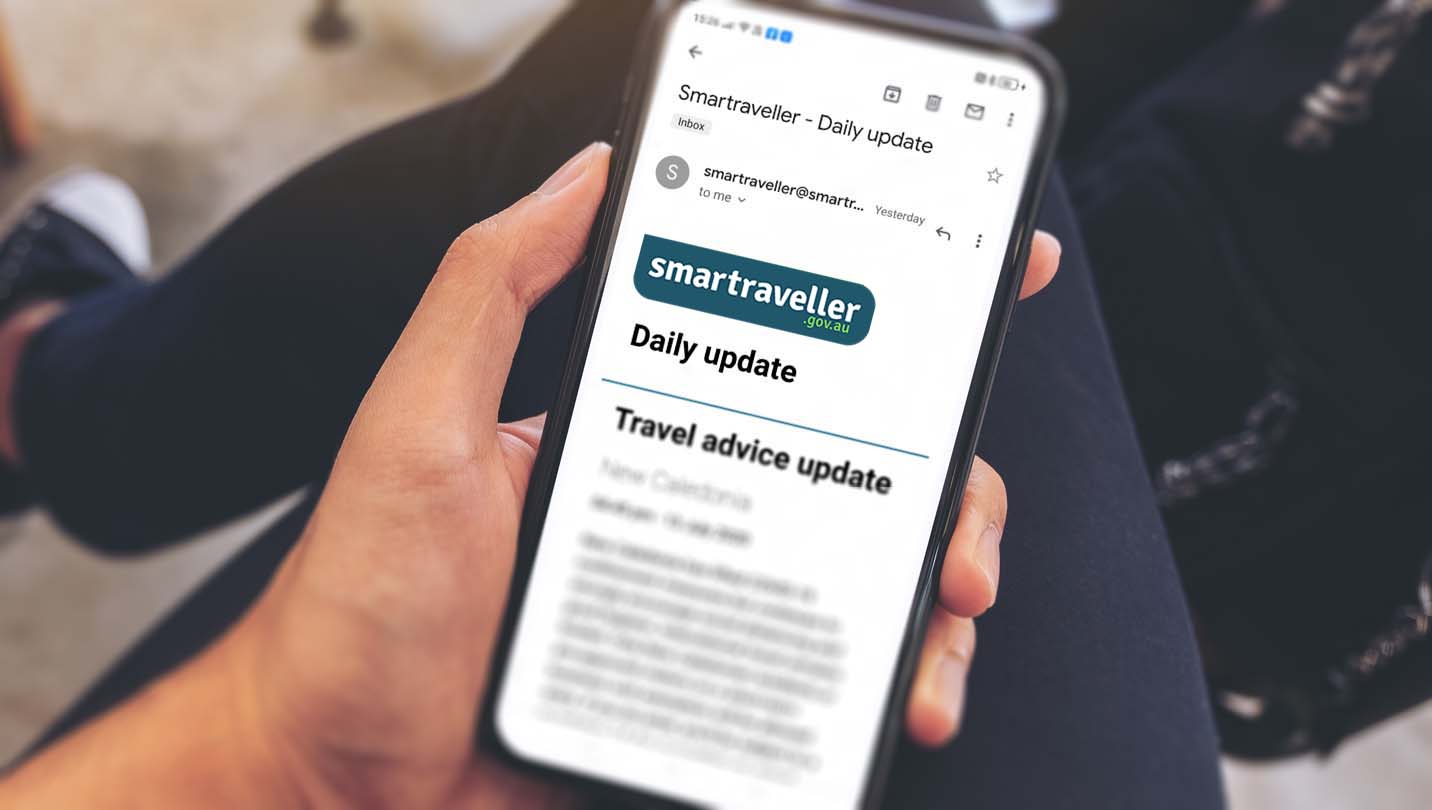
Be the first to know official government advice when travelling.